Introduction
Solvents are chemicals that break down or dissolve other chemicals and are most commonly used in products such as cleaners, degreasers, and thinners for their ability to dissolve materials. But solvents are also commonly used in other products such as paints, aerosol products, etc. Solvents are often used in laboratory settings. Common examples of sol-vents include acetone, methyl ethyl ketone (MEK), methylene chloride (MC), benzene, alcohols, etc.
Physical properties
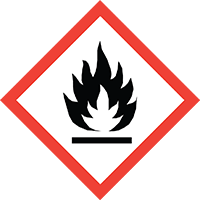
There are certain characteristics that are common to most solvents. For example, most solvents have very high vapor pressures. In other words, they evaporate very quickly. This leads to health and fire hazards that will be explained later.
Also, when some solvents evaporate they create flammable vapors. In most cases, these vapors are much heavier than air, and therefore they will tend to accumulate in low areas. Finally, most (but not all solvents) are extremely flammable.
Health hazards
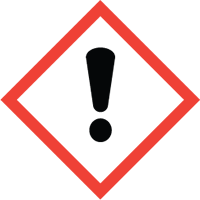
Many solvents have very similar health hazards. Because solvents penetrate the oils in human skin, they will cause irritation, rash, dryness, cracking, etc. This condition is known as dermatitis. Airborne solvent vapors affect the eyes, causing burning, watering, redness, and irritation. Long-term overexposure to unsafe levels of solvent vapors may cause permanent damage to eyes and vision. Also, since most solvents are easily absorbed through the lungs, skin, and eyes, they can easily be absorbed into the blood stream and transported to vital organs. When the vapors enter the bloodstream, they can gradually damage the liver, kidneys, and nervous system.

Breathing solvent vapors may cause irritation of the nose and throat, or may cause dizziness, head-ache, or nausea. In extreme cases, an exposed employee may even stop breathing. Severe acute expo-sure can be fatal.
There are some solvents that have additional hazards. Most importantly, there are some solvents that may cause cancer when an employee is exposed to unsafe levels for long periods of time. These include but are not limited to: methylene chloride; 1, 1, 1 trichloroethylene; and benzene.
Protecting yourself from solvents
The first rule of chemical safety is always to see if a less hazardous chemical can be used instead of solvents. When you MUST use solvents, always use as little as possible to get the job done, and read and follow all instructions on the label and Safety Data Sheet (SDS).
Always wear the recommended personal protective equipment (PPE) when using solvents, and avoid any unnecessary skin contact. Required PPE may include chemical splash goggles, face shields or safety glasses with side shields, and rubber, neoprene, or other protective gloves. Be sure you are using gloves made of a material that will stand up to the solvent in use. Check the SDS for information on appropriate gloves.
Always be sure to use solvents only in areas with plenty of ventilation. Never use them in areas where solvent vapors may build up or accumulate to unsafe levels. Vapor accumulation may be a serious health and fire hazard.
Depending on the level of airborne solvent vapors, you may be required to wear a respirator, but remember that you must be included in your location’s written Respiratory Protection Program (RPP) in order to use a respirator. The RPP may require you to be trained, medically cleared for respirator use, and fit-tested annually. You may not simply start wearing a respirator without being included in the program.
Depending on the level of airborne solvent vapors, you may be required to wear a respirator, but remember that you must be enrolled in the Respiratory Protection Program (RPP) in order to use a respirator. The RPP may require you to be trained, medically cleared for respirator use, and fit-tested annually. You may not simply start wearing a respirator without being included in the program.
Fire hazards
Many solvents are classified as flammable liquids, but it is important to understand that liquids themselves do not burn. Flammable liquids give off vapors that may ignite. From a fire prevention standpoint, the vapors are more significant than the liquid. Solvent vapors are much heavier than air and if they should escape from a container, they may “crawl” along the floor until they contact an open flame such as the pilot light of a furnace or water heater. The pilot light will ignite the vapor, causing a fire. Never use, store, or dispense solvents where there may be open flames or spark-producing work. If you are working where there might be a great deal of solvent vapor, be sure any power tools you are using are approved for flammable environments. Otherwise, the electric sparks created by the tool may ignite the vapor. Never smoke in areas where sol-vents are stored, used, or dispensed.
Always store flammable liquids in containers that will prevent vapors from escaping. Be sure solvents are kept in properly labeled containers that are specifically designed for solvents. Solvents may never be stored in containers such as coffee cups, open-topped pails, old food or beverage containers, etc. Consult table H-12 found in OSHA’s flammable liquid regulation (29 CFR 1910.106) for information about how much flammable liquid can be kept in any specific type of container.
Static electricity

OSHA requires that when flammable liquids are dispensed from one container to another, the container from which liquids are being dispensed must be electrically connected to the ground (grounded), and that the two containers must be electrically bonded together. Taking these steps will dissipate any static electricity in either container. If these steps are not taken, static electricity may be present, and a spark may be created. This spark may be sufficient to ignite flammable vapors, causing a fire or explosion. For the same reason, when you fill any portable gas container from a gas pump, always be sure to put the container being filled on the ground. Do not leave it in the bed of a pick-up truck, or anywhere else where it’s not grounded. More information can be found in HSRM’s Grounding and Bonding Fact Sheet.
When putting gas in a vehicle, never get in and out of the car while filling is in progress. The friction between your clothing and the car seat may cause a buildup of static electricity that may be discharged when you touch the gas nozzle. This may cause a spark that could ignite the flammable gasoline vapors. If you MUST get back in the car while filling is in progress, be sure to touch the gas pump or other grounded metallic object before touching the gas nozzle. This will discharge any static electricity in your body.
Questions
If you have questions on this topic, please contact Health, Safety, and Risk Management at (612) 626-6002 or [email protected], or see the website at hsrm.umn.edu.