Student group rosters may consist of a dozen or 100+ students and membership changes frequently. Due to this constant change in a group’s membership, including leadership, it is important to establish well-determined roles and responsibilities for all individuals involved with the organization.
Principal Investigator or Faculty Advisor
- Ensures hazards are identified and addressed
- Provides annual work area training
- Ensures safe operating procedures are written and followed
- Safety supplies and PPE are made available and used
- Periodically inspects work areas and addresses unsafe conditions
- Reports incidents to their HSRM safety partner in a timely manner
- Investigates all incidents and verifies solutions are implemented
- Injuries are to be reported to the Office of Risk Management
- Maintains all safety documentation
Student Group Member
- Completes required safety training
- Reviews and follows all work-area safety rules
- Follows safe work practices for specific procedures
- Identifies, reports, and corrects safety concerns
- Confirms required safety controls are in place prior to work
- Follows University dress code and PPE requirements
Health, Safety, and Risk Management (HSRM)
- Assists student groups to fulfill safety requirements
- Provides technical resources and expertise
- Conducts periodic inspections of the work area
- Shares best practices with student groups
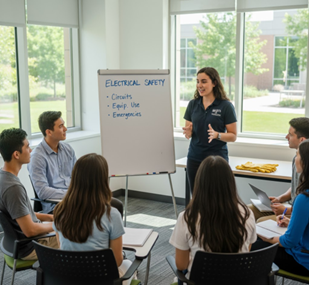
In addition to the responsibilities listed above, there are specific roles that should be highlighted.
Students who have significant responsibility for directing the group work, often referred to as a “Team Lead”, are to ensure that potential hazards of specific projects have been identified and addressed before work is started.
Many departments at the University are assigned a Department Safety Officer (DSO) and an HSRM Safety Partner. A list of departments and their assigned DSOs and safety partners can be found on the HSRM website (DSO List). Your assigned safety partner is most familiar with the work performed in your department and is a valuable resource. Feel free to contact them at any time.
What activities performed by student groups require interaction with HSRM?
For most student groups on campus, their typical activities present little-to-no hazard (e.g., guest speakers, weekly movie or craft nights) and will require minimal interaction with HSRM. However, groups that work with hazardous chemicals, biological materials, high voltage, moving/rotating equipment, or other hazardous equipment will require oversight from HSRM.
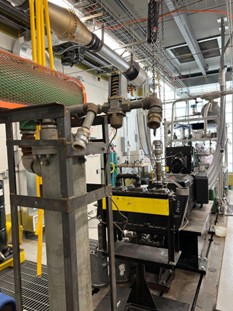
What working conditions and locations are considered acceptable?
When working with hazardous materials or equipment, the location and condition of the working area must be thoughtfully chosen. If working with hazardous chemicals or biological materials, a laboratory-type setting with a functioning fume hood and/or biosafety cabinet and accessible emergency equipment (eyewashes and fire extinguishers) is required. If your work requires a non-laboratory setting, such as a workshop or garage, then safety equipment and ventilation appropriate for your work must be available. Some acceptable locations for student group work include:
- Research or teaching laboratories
- Properly equipped machine shops
- Automotive garages
- Electronics or computer labs
Performing hazardous work or storing hazardous materials is strictly prohibited in University dorms or other residential buildings.