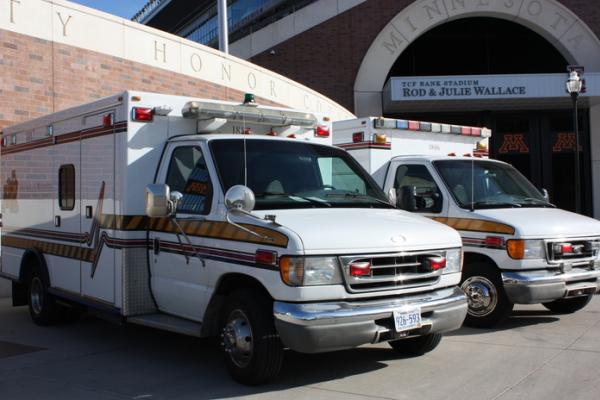
Providing Basic Life Support services at University events, and preparing tomorrow's health care leaders.
University of Minnesota Emergency Medical Services (UMEMS) is a division of the Department of Emergency Management, and provides Basic Life Support coverage at University sponsored events, continuing education, EMS courses and emergency management assistance.
UMEMS Renaissance Style
A stadium-level concert requires a lot of planning and effort. For Beyonce's Renaissance concert at Huntington Bank Stadium, UMEMS EMTs were on site for eight days, from the beginning of construction, until the last items were removed from the field. UMEMS EMTs worked a total of 567 hours; providing care not only to concert goers, but construction and production workers throughout the week. Thank you to our volunteer and staff EMTs!
If You See Something, Say Something
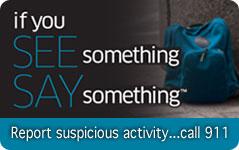
If you see something suspicious taking place on campus, report that behavior or activity to the UMPD, or in the case of emergency call 9-1-1. Factors such as race, ethnicity, national origin, or religious affiliation alone are not suspicious. You should report only suspicious behavior and situations (e.g., an unattended backpack in a public place or someone trying to break into a restricted area) rather than beliefs, thoughts, ideas, expressions, associations, or speech unrelated to terrorism or other criminal activity.